As a procurement manager or product engineer at a well-known sanitary ware, lock hardware, or industrial brand, you’re always weighing how to get the best balance between cost efficiency, product quality, and supply chain reliability. If you’re thinking about using zinc alloy die casting for your next component—whether it’s a faucet handle, a lock body, or a precision industrial fitting—there are two key questions you need to answer before you invest in tooling:
“Is my product really suitable for zinc alloy die casting?” and “Which zinc alloy material should I choose?”
At XIAMEN STICK INDUSTRY Co., Ltd., we’ve spent more than 20 years helping global brands like TOTO, Kohler, Master, and FAB make these exact decisions. With two manufacturing locations in Xiamen, China and Hanoi, Vietnam, ISO 9001 certification, and CE compliance, we bring both technical capability and production scale to every partnership. In this guide, we turn our engineering experience into a practical framework that procurement teams can use to evaluate product fit and select the right alloy with confidence.
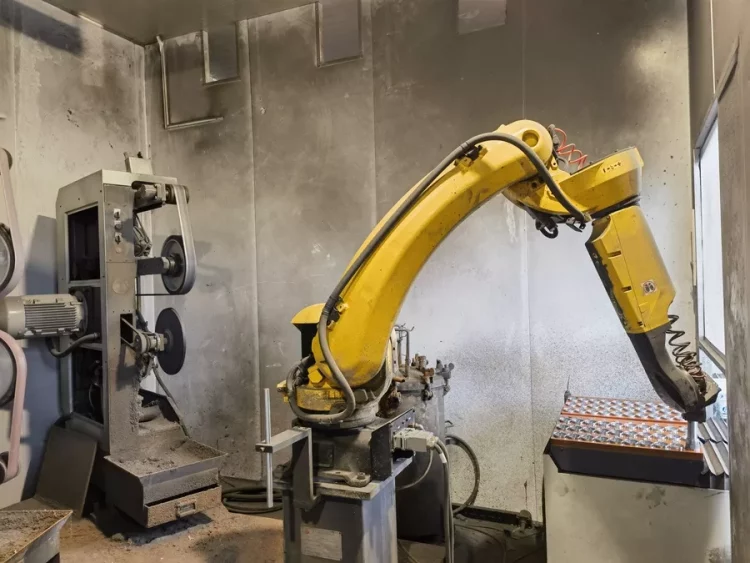
Die Casting service
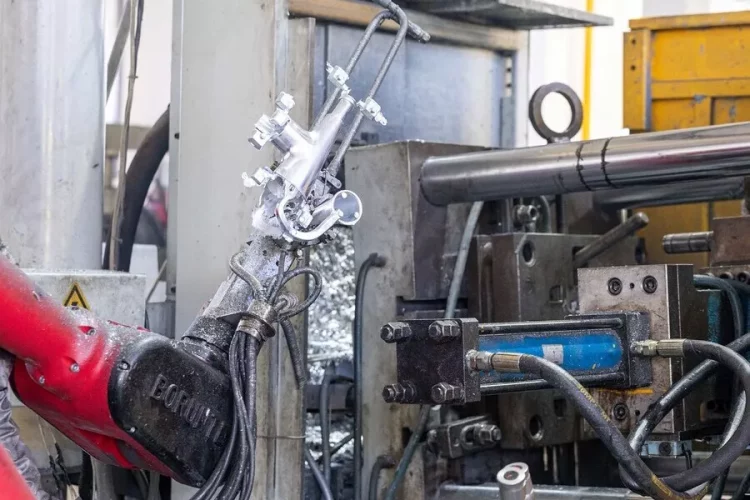
Zinc alloy die casting service
Part 1: Is Zinc Alloy Die Casting the Right Match for Your Product?
Before you start comparing material options, you should first confirm that zinc die casting is the best process for your component. Use this simple, four-step evaluation method right away.
Step 1: Check Weight and Dimensional Limits
Target weight: Zinc hot-chamber die casting is best suited for parts weighing up to about 1.5 kg per piece. If your product is within this range, zinc die casting is usually a strong option. For larger parts, you may need cold-chamber die casting or alternative materials such as aluminum.
Wall thickness: Zinc alloys flow very well, which allows thin walls—typically around 0.6 mm to 3.0 mm for most applications. Keeping wall thickness consistent matters a lot. Sudden changes from thick to thin sections can lead to porosity, shrinkage, and internal stress. As a general rule, avoid a thick-to-thin wall ratio greater than 3:1, and choose gradual tapers when possible. If your design includes complex internal shapes or thin-walled sections that would be harder to achieve with other metals, zinc die casting is often a great fit.
Tolerance expectations: Zinc die casting can commonly reach about ±0.025 mm for critical dimensions and ±0.10 mm for non-critical areas. That makes it a good choice for parts that must fit precisely, such as lock mechanisms and valve bodies.
Step 2: Consider Geometric Complexity
Zinc alloys have excellent fluidity, meaning they can fill intricate molds and capture fine surface details with great accuracy. If your product includes any of the following, zinc die casting is usually the right approach:
- Complex contours or ergonomic curves (like faucet handles or shower trims)
- Lettering, logos, or decorative patterns that need to be formed during casting
- Multiple bosses, ribs, or threaded inserts
Just be aware of undercuts—features that prevent the part from ejecting cleanly from the mold. Undercuts usually require extra tooling features like slides or lifters, which can increase both cost and complexity. When possible, design for straight-pull ejection to improve cost efficiency.
Draft angle: For smooth molding and easier ejection, vertical surfaces should include draft angles of at least ≥0.5° for external features and ≥1° for internal cavities to reduce wear on the mold.
Step 3: Review Your Expected Annual Volume
Die casting is a process built for production scale. Precision zinc die tooling can cost roughly $10,000 to $50,000+, depending on part complexity and number of cavities. To make that investment worthwhile, it’s best amortized over production volumes of around 10,000 to 20,000 units per year.
Tool life: When molds are designed and maintained properly, zinc die casting tools can often handle 500,000 to 1,000,000+ production cycles before major refurbishment or replacement is needed. That long service life helps spread the upfront tooling cost over a very large number of parts—sometimes over millions during the product’s lifecycle.
If your volume is lower, we can still help you optimize the total cost. Options may include:
- Prototype tooling
- Family molds that combine multiple parts into one die
- Hybrid approaches, such as combining die casting with CNC finishing
Step 4: Match Performance and Functional Requirements
Zinc die casting performs especially well when you need a combination of:
- Corrosion resistance: With the right surface finishing (like electroplating, PVD, or powder coating), zinc castings offer strong long-term durability. Our facility supports 48-hour salt spray testing for all plated components, meeting and exceeding standards for bathroom and outdoor hardware applications.
- Surface finish readiness: Zinc castings have excellent cast surface quality, making them ideal for chrome plating, nickel plating, brushed finishes, and PVD coatings.
- EMI/RFI shielding: Zinc alloys naturally provide electromagnetic shielding, which is helpful for electronics enclosures and connector housings.
- Strength-to-weight ratio: Depending on alloy selection, tensile strength typically ranges from 283 MPa to 386 MPa, giving strong mechanical performance in compact parts.
- Wear resistance: Parts that see repeated friction or mechanical cycling—like lock mechanisms and door hardware—benefit from zinc’s inherent wear characteristics.
- Operating environment fit: Zinc alloys aren’t recommended for long-term exposure to very high temperatures (above ~120°C) or extremely low temperatures (below 0°C), because mechanical properties may drop significantly. Zinc works best in normal atmospheric conditions, but for coastal or highly corrosive environments, you may need additional protective measures.
Quick Self-Assessment Checklist
| Criteria | Favorable Indicators for Zinc Die Casting |
|---|---|
| Part Weight | Under 1.5 kg per component |
| Wall Thickness | 0.6 – 3.0 mm, uniform throughout |
| Annual Volume | 10,000+ units |
| Surface Finish | Requires plating, PVD, or powder coating |
| Geometry | Complex contours, fine details, thin walls |
| Application | Sanitary fittings, lock hardware, industrial components |
If you answered “yes” to three or more of these indicators, zinc alloy die casting is likely a very good match for your product.
Part 2: How to Choose the Right Zinc Alloy
Once you’ve confirmed that zinc die casting works for your part, the next important step is choosing the alloy. The ZAMAK family—named from the German terms for its main elements (Zinc, Aluminium, Magnesium, and Kupfer (Copper))—is used so widely for a reason. Each variant has different properties that directly affect your product’s performance, durability, and cost.
ZAMAK 3: The Industry Default
Composition: Zinc with 3.8–4.3% aluminum, <0.03% copper, and 0.035–0.06% magnesium.
Mechanical properties:
- Tensile strength: ~283 MPa
- Elongation: ~10% (excellent ductility)
- Hardness: ~82 HB
Why it’s the global default: ZAMAK 3 is the most commonly used zinc die casting alloy worldwide and represents the majority of all zinc die castings produced. It provides the best overall balance of strength, ductility, castability, and cost. Its very low copper level improves long-term dimensional stability and supports predictable plating adhesion—especially important when flawless chrome finishes are required for high-end sanitary products.
Best for:
- Faucet handles, escutcheons, and shower trim components
- Decorative hardware where finish quality matters most
- Electronic enclosures and connector housings
- General-purpose hardware components
Why brands like TOTO and Kohler rely on ZAMAK 3: From our experience supplying global bathroom brands, ZAMAK 3 consistently delivers the high-quality chrome-plated surfaces and stable dimensions that premium sanitary products need. It supports complex ergonomic designs with excellent detail reproduction while staying cost-effective for high-volume production.
ZAMAK 5: When You Need Extra Strength
Composition: Zinc with 3.8–4.3% aluminum, 0.7–1.1% copper, and 0.035–0.06% magnesium.
Mechanical properties:
- Tensile strength: ~310 MPa
- Elongation: ~7%
- Hardness: ~91 HB
Why choose ZAMAK 5: Adding around 1% copper increases tensile strength, improves hardness, and boosts creep resistance compared to ZAMAK 3, with only a small drop in ductility. ZAMAK 5 is especially popular in European markets and is a strong upgrade when mechanical demands rise but you still want zinc’s casting advantages.
Best for:
- Lock bodies, cylinders, and internal mechanisms needing wear resistance
- Faucet valve bodies and cartridges exposed to pressure cycling
- Door and window hardware (handles, hinges, espagnolette locks)
- Components that require post-casting machining or thread-forming
Pro Tip: If your product will go through additional CNC machining—like threading, drilling, or precision boring—ZAMAK 5’s slightly higher hardness often improves tool life and surface finish compared with ZAMAK 3.
ZAMAK 2: Maximum Strength and Wear Resistance
Composition: Zinc with 3.8–4.3% aluminum, 2.7–3.3% copper, and 0.035–0.06% magnesium.
Mechanical properties:
- Tensile strength: ~328 MPa (highest among standard ZAMAK alloys)
- Elongation: ~7%
- Hardness: ~100 HB
Why choose ZAMAK 2: With the highest copper content in the ZAMAK family, ZAMAK 2 offers superior tensile strength, exceptional hardness, and excellent wear resistance. It’s the preferred option when components must handle repeated mechanical stress, friction, or long-term creep under load—common in automotive mechanisms and high-security lock applications.
Best for:
- High-security lock mechanisms (cylinders, bolts, tumblers) needing drilling and tamper resistance
- Automotive seat adjusters, transmission components, and latch mechanisms
- Gears, cams, and small mechanical parts that remain under load for years
- Industrial fittings exposed to continuous wear
Consideration: ZAMAK 2 has lower ductility than ZAMAK 3 and 5, so it’s less suitable when you need significant post-casting deformation. Higher copper content may also require tighter control during plating to ensure the best adhesion.
ZA-8: For Higher Temperature and Better Creep Resistance
Composition: Zinc with 8.2–8.8% aluminum, 0.9–1.3% copper, and 0.02–0.035% magnesium.
Mechanical properties:
- Tensile strength: ~386 MPa (highest in its class)
- Elongation: ~3%
- Hardness: ~120 HB
Why choose ZA-8: The ZA series (Zinc-Aluminum) uses much more aluminum, which improves tensile strength, creep resistance, and thermal stability compared with standard ZAMAK grades. ZA-8 holds its mechanical performance at higher temperatures and offers excellent bearing and wear characteristics. It can be cast using the hot-chamber process, unlike other ZA alloys with higher aluminum levels that typically require cold-chamber casting.
Best for:
- Components exposed to moderately elevated operating temperatures
- High-wear mechanical parts needing maximum hardness
- Precision electrical and electronic components that require excellent dimensional stability
Comparative Alloy Selection Table
| Property | ZAMAK 3 | ZAMAK 5 | ZAMAK 2 | ZA-8 |
|---|---|---|---|---|
| Tensile Strength | 283 MPa | 310 MPa | 328 MPa | 386 MPa |
| Hardness (HB) | 82 | 91 | 100 | 120 |
| Elongation | ~10% | ~7% | ~7% | ~3% |
| Copper Content | <0.03% | 0.7–1.1% | 2.7–3.3% | 0.9–1.3% |
| Primary Advantage | Best all-around balance, superior plating finish | Higher strength with good ductility | Maximum hardness and wear resistance | Highest strength, best creep resistance |
| Relative Cost | Baseline | Slight premium | Moderate premium | Higher premium |
| Best For | Decorative hardware, sanitary fittings, general components | Lock mechanisms, machined parts, European-spec components | High-wear mechanical parts, security hardware | High-strength precision parts, elevated-temperature applications |
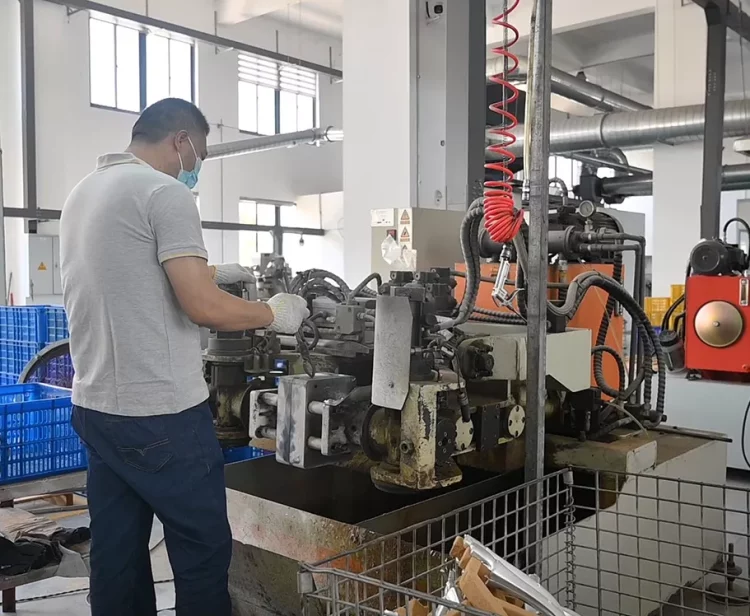
Application-Specific Alloy Recommendations
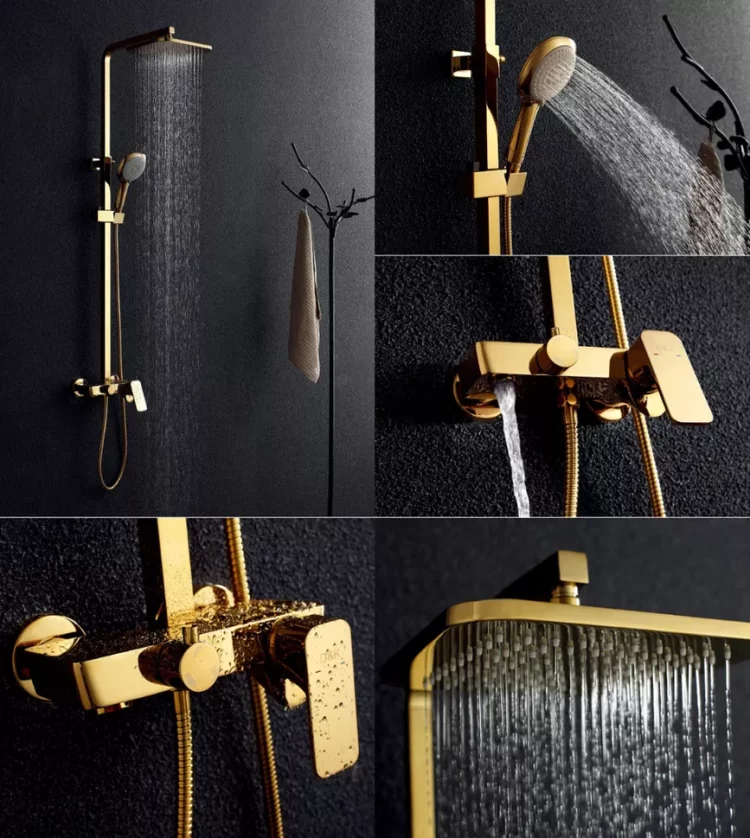
- Sanitary and Bathroom Fittings (Faucets, Shower Components): Use ZAMAK 3. Its superior as-cast surface quality and plating behavior are key for achieving the flawless chrome and PVD finishes that define premium bathroom products. Our 48-hour salt spray test guarantee for plated ZAMAK 3 parts gives the corrosion protection needed for humid bathroom environments. That’s why global brands like TOTO and Kohler choose ZAMAK 3 for their decorative hardware.
- Lock and Security Hardware: Choose ZAMAK 5 or ZAMAK 2. For mid-range locks, ZAMAK 5 offers a strong balance of strength, machinability, and cost. For high-security applications—where Master and FAB require maximum durability and tamper resistance—ZAMAK 2 is justified by its higher hardness and wear resistance. Lock bodies, cylinders, and internal mechanisms benefit from ZAMAK 2’s ability to hold dimensional stability through repeated cycling and resist drilling or forced entry attempts.
- Industrial Components: It depends on the part requirements. For high-wear parts like gears and cams, choose ZAMAK 2. For precision electrical connectors, ZAMAK 3 delivers strong cost-performance. For components that need maximum creep resistance under continuous load, consider ZA-8.
Part 3: What to Look for in a Zinc Die Casting Partner
Choosing the right alloy is only half of the process. The manufacturing partner you select determines whether your material choice becomes consistent, high-quality production. Here’s what we recommend procurement teams evaluate:
Vertically Integrated Manufacturing Capabilities
A single-source partner reduces supply chain complexity and improves accountability for quality. Our Xiamen and Hanoi sites include:
- 10+ die casting machines for scalable production
- In-house PVD equipment for premium finishing
- Tube bending capabilities for complex assemblies
- Polishing, painting, and electroplating workshops—all under one roof
- A complete testing lab with spectrometer analysis, CMM dimensional inspection, and salt spray corrosion testing chambers
With this vertical integration, your parts don’t need to move between multiple vendors for casting, machining, and finishing—reducing lead times, minimizing quality variation, and lowering logistics costs.
Quality Certifications and Testing
ISO 9001 certification is the baseline requirement for international procurement. In fact, about 4 out of 5 procurement departments won’t even consider working with an overseas partner unless ISO 9001 quality systems are in place. Our ISO 9001-certified facilities ensure:
- Incoming alloy composition checks using spectrometer verification
- In-process monitoring of die temperature, injection pressure, and cycle parameters
- CMM and optical comparator dimensional inspections
- 48-hour salt spray corrosion testing for all plated components
- Mechanical testing including tensile strength and hardness verification
For applications requiring food-contact safety or children’s product compliance, we can also provide RoHS and REACH documentation that confirms controlled substance limits.
Supply Chain Resilience and Dual-Site Production
Recent disruptions have shown why it helps to have diversified manufacturing locations. With facilities in both Xiamen, China and Hanoi, Vietnam, we offer procurement teams:
- Lower geographic risk—production can shift between sites when needed
- Tariff flexibility depending on your destination market
- Scalable capacity across two locations to support growth in volume
- Consistent quality standards and processes applied in the same way at both facilities
Engineering Support and DFM Analysis
A strong partner should provide Design for Manufacturability (DFM) input before tooling begins. DFM helps identify potential issues—like porosity risks, undercut challenges, and wall thickness inconsistencies—then recommends design improvements that reduce defects, shorten cycle time, and lower cost per part. Our engineering team reviews every design using mold flow simulation software to predict metal flow and solidification behavior before steel is cut.
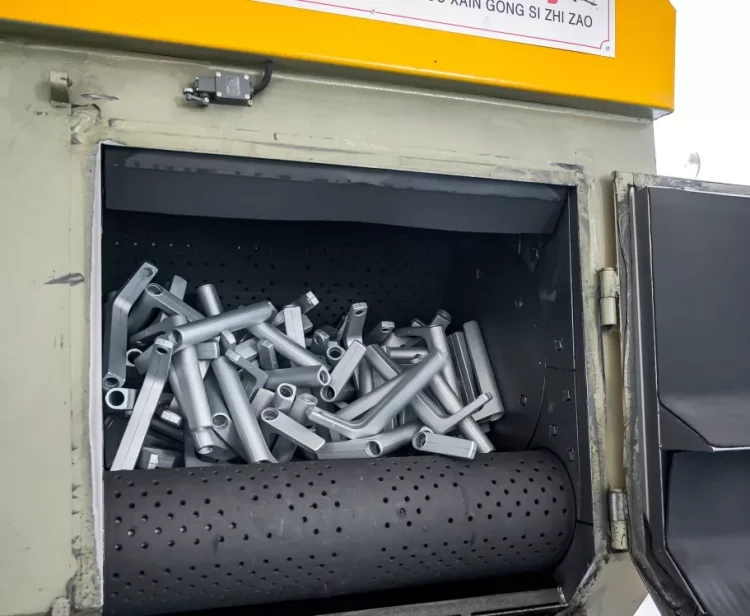
ZINC DIE CASTING
Conclusion: A Practical Decision Framework for Procurement Managers
To summarize our recommended approach:
1. Evaluate suitability: Confirm your part fits within the 1.5 kg weight range, has wall thicknesses of 0.6–3.0 mm, and volume levels that justify tooling investment. Also make sure your design includes proper draft angles and that your operating environment matches zinc’s performance limits.
2. Select the right alloy: Choose based on functional requirements:
- ZAMAK 3 for most decorative hardware and general components—the proven option trusted by TOTO and Kohler
- ZAMAK 5 for stronger performance and better machinability—ideal for lock bodies and door hardware
- ZAMAK 2 for maximum hardness and wear resistance—the standard for Master and FAB security applications
- ZA-8 for elevated strength and thermal stability needs
3. Qualify your partner: Look for suppliers with ISO 9001 certification, vertical integration (casting through finishing), in-house testing capabilities, and proven experience with major global brands. Confirm surface finish durability through documented salt spray testing—our 48-hour guarantee provides a clear benchmark.
4. Use DFM early: Bring your die casting partner in during the design stage. Early DFM analysis helps reduce cost, prevent quality issues, and speed up time-to-market.
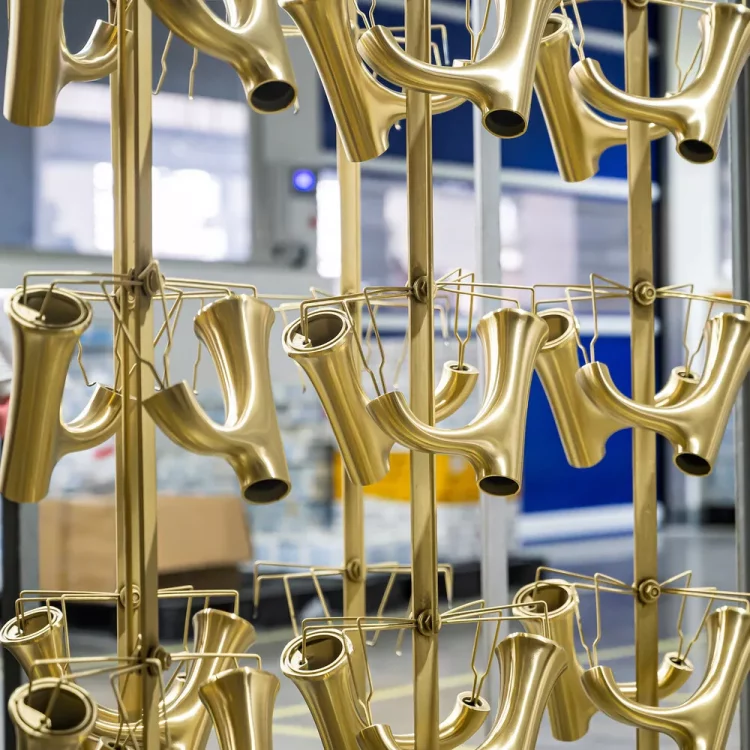
At XIAMEN STICK INDUSTRY Co., Ltd., we combine Asian manufacturing strengths with the technical depth and quality systems global brands expect. With ISO 9001 and CE certifications, dual production sites in Xiamen and Hanoi, and a fully integrated operation covering die casting through finishing, we deliver zinc alloy components that meet the rigorous standards of industry leaders like TOTO, Kohler, Master, and FAB.
Ready to evaluate your product for zinc die casting? Reach out to our engineering team for a complimentary DFM review. We’ll review your design, recommend the most suitable alloy, and provide a detailed production plan—including tooling strategy, surface finish options, and quality validation protocols tailored to your requirements.
Visit zamakdiecasting.com or contact us directly to discuss how our Asian manufacturing capabilities can support your next product innovation.